How to Nurture Your Gut Health After Antibiotics: A Friendly Guide for Families
A question I hear often from parents is, “What can I do to support my child’s gut after antibiotics?” It’s such an important topic because rebuilding a healthy microbiome is a key part of recovery.
The good news is that small, simple steps can make a big difference. Adding more fibre-rich foods, along with the right balance of probiotics and prebiotics, helps create a strong and resilient gut. These gentle tweaks to your family’s meals not only support gut health but also boost overall well-being.
Join us as we share easy, practical tips (and tasty ideas!) to nurture your family’s gut after antibiotics, so everyone can thrive with food that’s both delicious and nourishing.
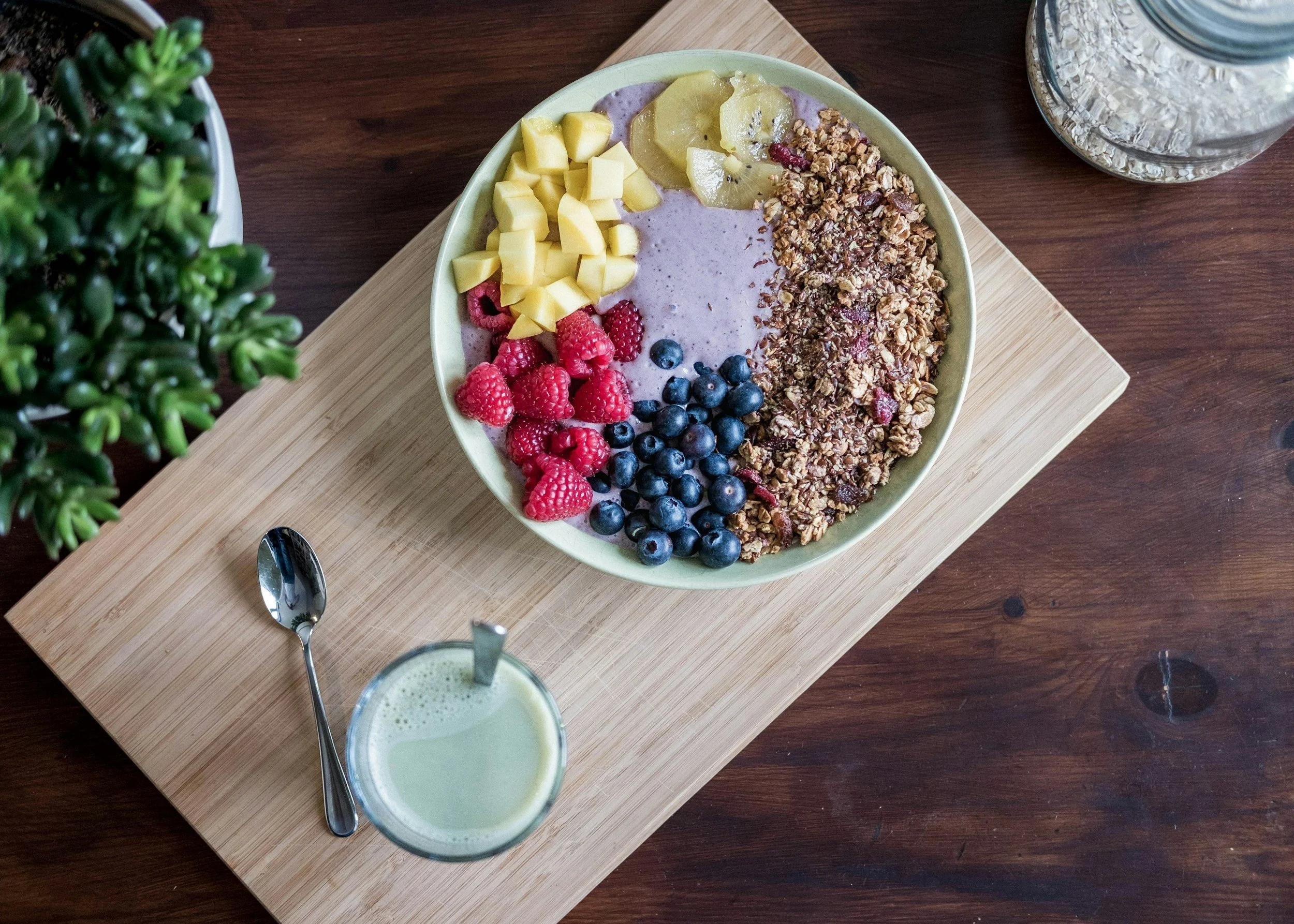
After antibiotic treatment, focusing on gut-friendly foods is crucial for restoring balance to your microbiome.
Fibre-Rich Foods for Healing
Fibre is essential for gut health recovery after antibiotics. It acts as a prebiotic, nourishing beneficial bacteria in your digestive system. According to the Canadian Digestive Health Foundation, a diet rich in fibre can significantly improve gut health.
Vegetables, fruits, legumes, nuts, seeds, and whole grains are excellent sources of fibre. These foods not only feed your gut bacteria but also help maintain regular bowel movements, which is crucial during recovery.
Try to include a variety of fibre sources in your meals. For example, add berries to your breakfast, snack on nuts, and include a serving of beans or lentils with your dinner.
For even more tips, you’re welcome to visit our recent blog post on Helping Your Family Build a Healthy Microbiome!
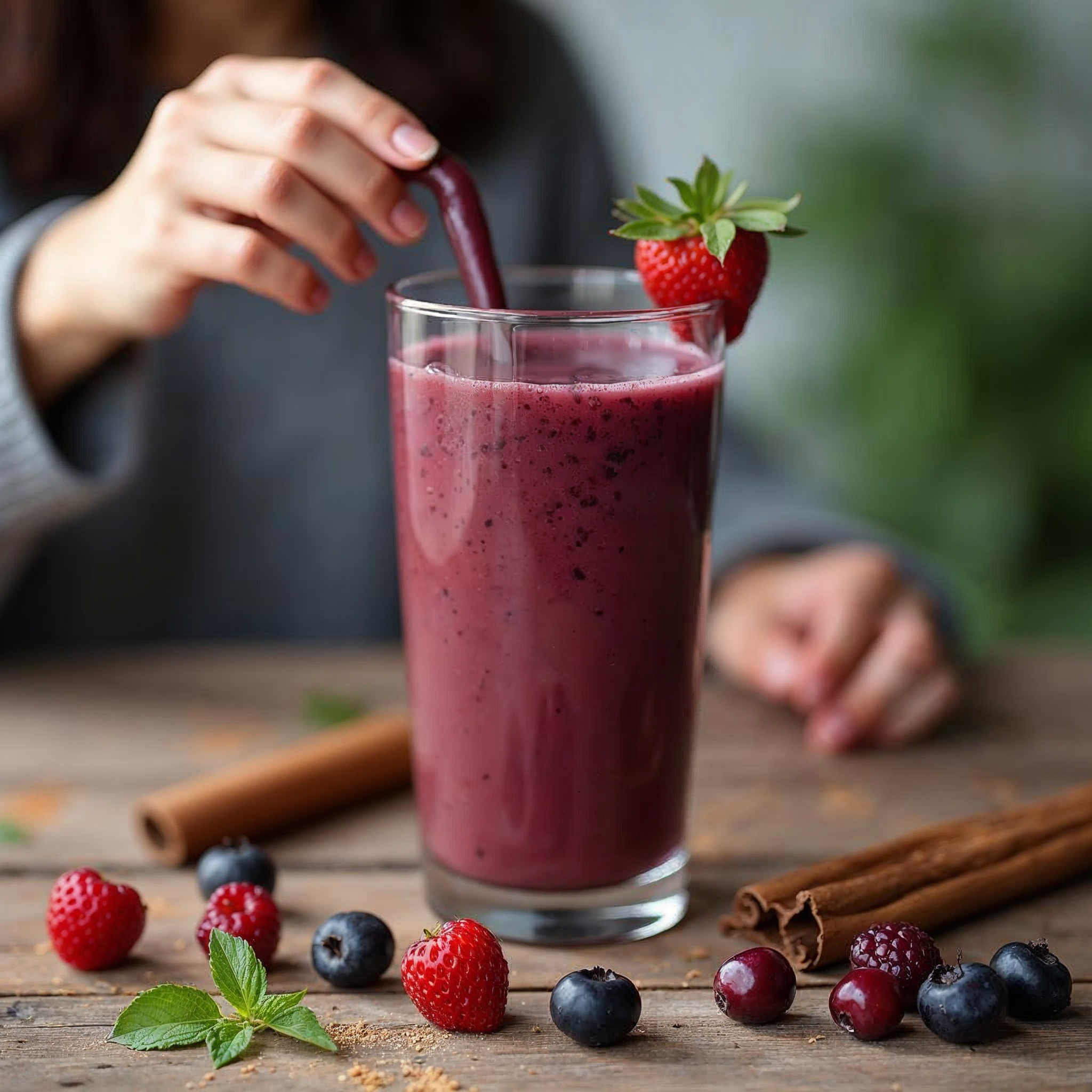
Research published in Nature suggests that polyphenols can help restore microbial diversity in the gut.
Benefits of Polyphenols
Polyphenols are plant compounds that offer numerous health benefits, including supporting gut health after antibiotic use.
Some excellent sources of polyphenols include berries, green tea, herbs and spices, olive oil, and dark chocolate. These foods not only taste great but also provide antioxidant properties that can help reduce inflammation in the gut.
Mum and Dads, try incorporating a cup of green tea into your daily routine! For the kids, try adding a handful of berries to their yogurt for a polyphenol boost. Or try our fudgy chocolate brownie recipe, which is packed with polyphenols. Remember, variety is key to ensuring you get a wide range of these beneficial compounds.
Processed Foods to Avoid
While recovering from antibiotic treatment, it's important to limit certain foods that can hinder gut health. Windsor Digestive Health recommends avoiding processed foods, refined sugars, and artificial sweeteners during this time.
These foods can feed harmful bacteria and yeast in your gut, potentially slowing down the recovery process. They may also contribute to inflammation, making it harder for your digestive system to heal.
Instead, focus on whole, unprocessed foods. Choose fresh fruits and vegetables, lean proteins, and whole grains. This approach will provide your body with the nutrients it needs to support gut healing and overall health.
Short-Term Probiotics
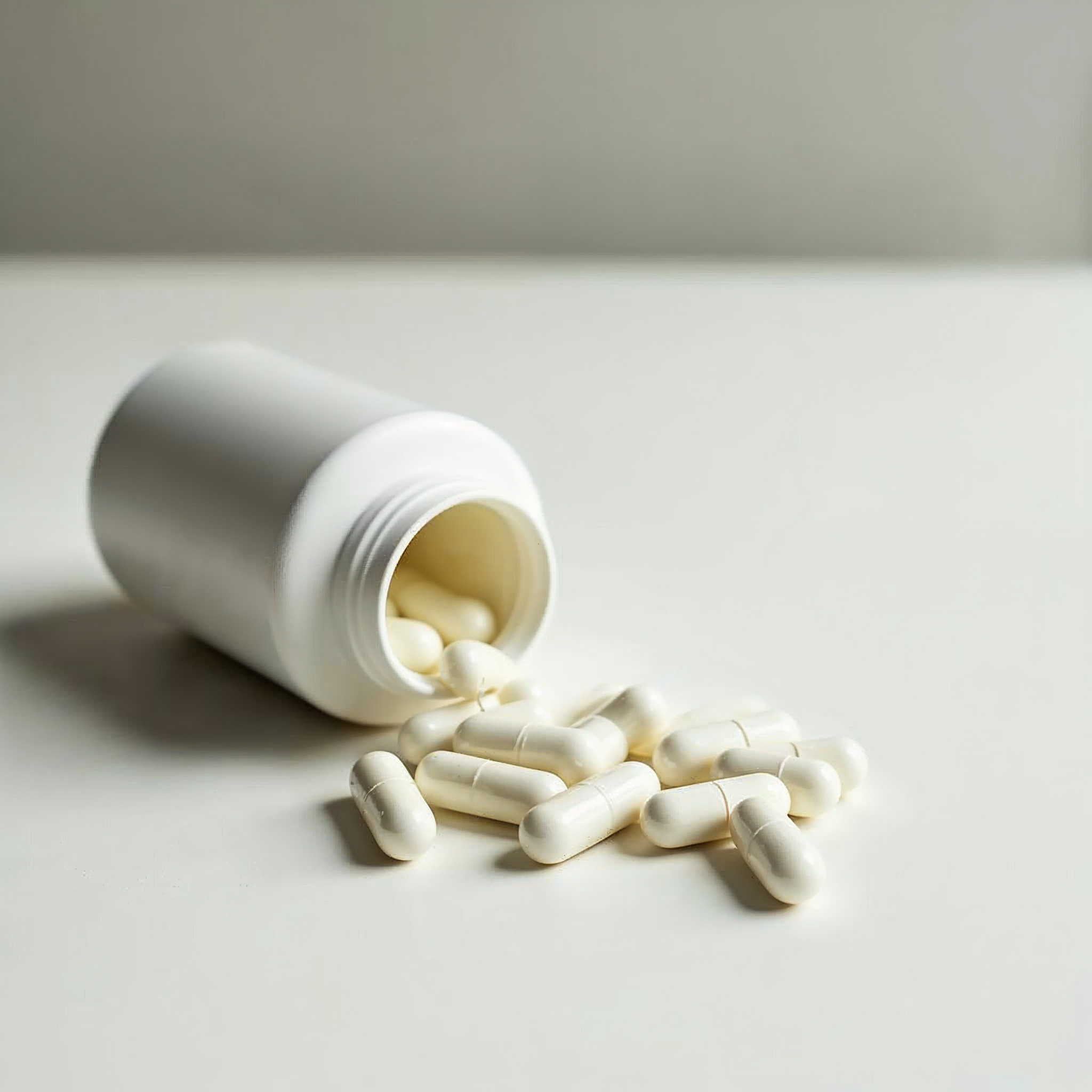
Probiotics can play a crucial role in restoring gut health after antibiotic use. Let's examine how to utilise them effectively.
Key Probiotic Strains
When choosing a probiotic supplement, certain strains have shown particular promise for post-antibiotic recovery. According to TriState Gastroenterology, some beneficial strains include Saccharomyces boulardii, Lactobacillus rhamnosus GG, and Lactobacillus reuteri.
These strains can help repopulate the gut with beneficial bacteria, supporting digestive health and immune function. They may also help prevent antibiotic-associated diarrhea, a common side effect of antibiotic treatment.
It's important to choose a high-quality probiotic supplement from a reputable source. Look for products that list the specific strains and their colony-forming unit (CFU) count.
Timing and Usage Tips
The timing of probiotic intake can significantly impact their effectiveness. GoodRx Health recommends taking probiotics 2-3 hours apart from antibiotics to ensure the medication doesn't immediately kill the beneficial bacteria.
It's generally advised to continue taking probiotics for 4-12 weeks after completing antibiotic treatment. This duration allows time for the beneficial bacteria to establish themselves in your gut.
Start with a lower dose and gradually increase it to minimise potential side effects, such as bloating or gas. Always consult with your healthcare provider before starting any new supplement regimen.
Natural Gut Regrowth
While probiotics can be helpful, it's important to remember that they're a short-term solution. UCLA Health notes that the gut microbiome naturally regrows and rebalances itself over time.
Your body has a fantastic ability to heal and restore balance. By providing the right environment through diet and lifestyle choices, you can support this natural process of gut flora regeneration.
Focus on maintaining a diverse, fibre-rich diet and healthy lifestyle habits to promote long-term gut health. This approach allows your unique microbiome to flourish naturally.
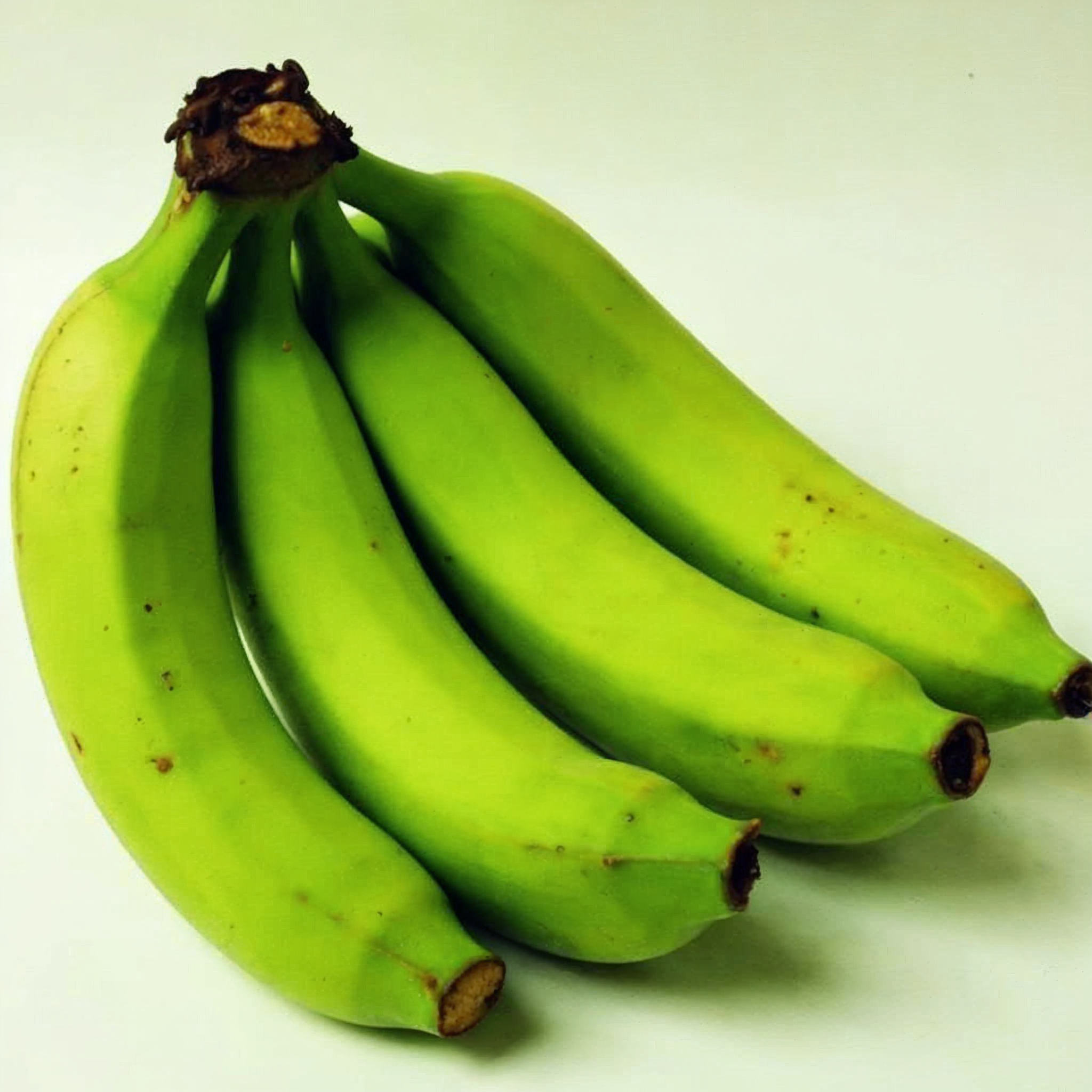
Prebiotics are just as important as probiotics in supporting gut health after antibiotics. Let's explore their role in your recovery.
Don't Forget Prebiotics
Feeding “Good” Bacteria
Prebiotics are types of fibre that feed the beneficial bacteria in your gut. Better Health Victoria explains that these compounds pass through the digestive system undigested until they reach the colon, where gut bacteria ferment them.
This fermentation process produces short-chain fatty acids, which nourish the cells lining your colon and provide various health benefits. By feeding the good bacteria, prebiotics help create an environment that allows beneficial microbes to thrive.
Including prebiotic foods in your diet can help accelerate the recovery of your gut microbiome after antibiotic treatment. It's a crucial step in restoring balance to your digestive system.
Types of Prebiotics
There are several types of prebiotics, each with unique benefits for gut health. Five Journeys highlights some key prebiotic sources:
Inulin: Found in chicory root, Jerusalem artichokes, onions, and garlic.
Galacto-oligosaccharides (GOS): Present in legumes
Resistant starch: Found in cooled potatoes, green bananas, and rice.
Partially hydrolysed guar gum (PHGG): A supplement derived from guar beans.
Another gentle option I may include is a supplement of Human Milk Oligosaccharides (HMOs), which are generally well-tolerated. Each of these prebiotics can support different types of beneficial bacteria. Including a variety in your diet ensures you're feeding a diverse range of gut microbes.
Try incorporating these prebiotic-rich foods into your meals gradually. For example, add a small amount of onion to your salad or enjoy a small serving of cooled potato salad.
Check out our healthy Oat Muffin with PHGG recipe for an idea on how to incorporate prebiotics into your cooking.
Gradual Increase for Comfort
When introducing prebiotics into your diet, it's essential to start slowly and increase the amount gradually. Children's Health advises this approach to avoid potential discomfort.
Begin with small amounts of prebiotic foods and observe how your body responds. If you experience bloating or gas, reduce the amount and increase it more slowly over time.
As your gut adjusts, you can gradually increase your intake of prebiotic foods. This gentle approach allows your digestive system to adapt and helps minimise any potential side effects.
What if I have gut symptoms?

Sometimes, despite our best efforts, gut symptoms may persist after antibiotic treatment. In these cases, professional help might be beneficial.
Who might benefit from gut testing?
Gut testing can be a valuable tool for individuals experiencing persistent digestive issues after antibiotic use. The American Medical Association suggests that specific symptoms may indicate a need for further investigation:
Chronic bloating or gas
Persistent diarrhea or constipation
Unexplained weight loss or gain
Ongoing fatigue or weakness
If you experience these symptoms for an extended period after completing antibiotic treatment, it may be worthwhile to consider gut testing. This can provide insights into your microbiome composition and help guide targeted interventions.
Remember, everyone's gut is unique, and what works for one person may not work for another. Professional guidance can help tailor approaches to your specific needs.
How a Nutritionist might help
A nutritionist can play a crucial role in supporting your gut health recovery after antibiotics. They can provide personalised advice based on your specific situation and health goals.
A nutritionist can:
Analyse your current diet and suggest improvements
Recommend specific probiotic strains or prebiotic foods
Help you create a meal plan that supports gut health
Interpret gut test results and develop targeted strategies
They can also guide you through the process of reintroducing foods and adjusting your diet over time. This professional support can make the journey to gut health recovery smoother and more effective.
Takeaways
Recovering gut health after antibiotics involves a multi-faceted approach:
Focus on fibre-rich, whole foods and include polyphenol sources in your diet
Under guidance, use short-term probiotics to repopulate beneficial bacteria
Gradually introduce prebiotic foods to feed good gut bacteria
Consider professional help if symptoms persist
For more information on improving your family's nutrition, visit the Well Nourished membership page for a wealth of free recipes and membership options.
Remember, everyone's gut health journey is unique. Be patient with your body as it works to restore balance, and don't hesitate to seek professional guidance if you need it. With the right approach, you can support your gut health and overall well-being after antibiotic treatment.

Michelle Hislop,
TestWise Clinical Nutritionist
Book a consultation to explore targeted nutritional strategies, lifestyle adjustments, and personalised professional support tailored to your specific needs.
Disclaimer:
The information in this article is for educational purposes only and is not intended as medical advice, diagnosis, or treatment. It should not replace consultation with a qualified healthcare professional who can assess your individual health needs. Always seek the guidance of your doctor or other qualified health provider before starting, changing, or discontinuing any medication, supplement, or treatment.