Helping Your Family Build a Healthy Microbiome!
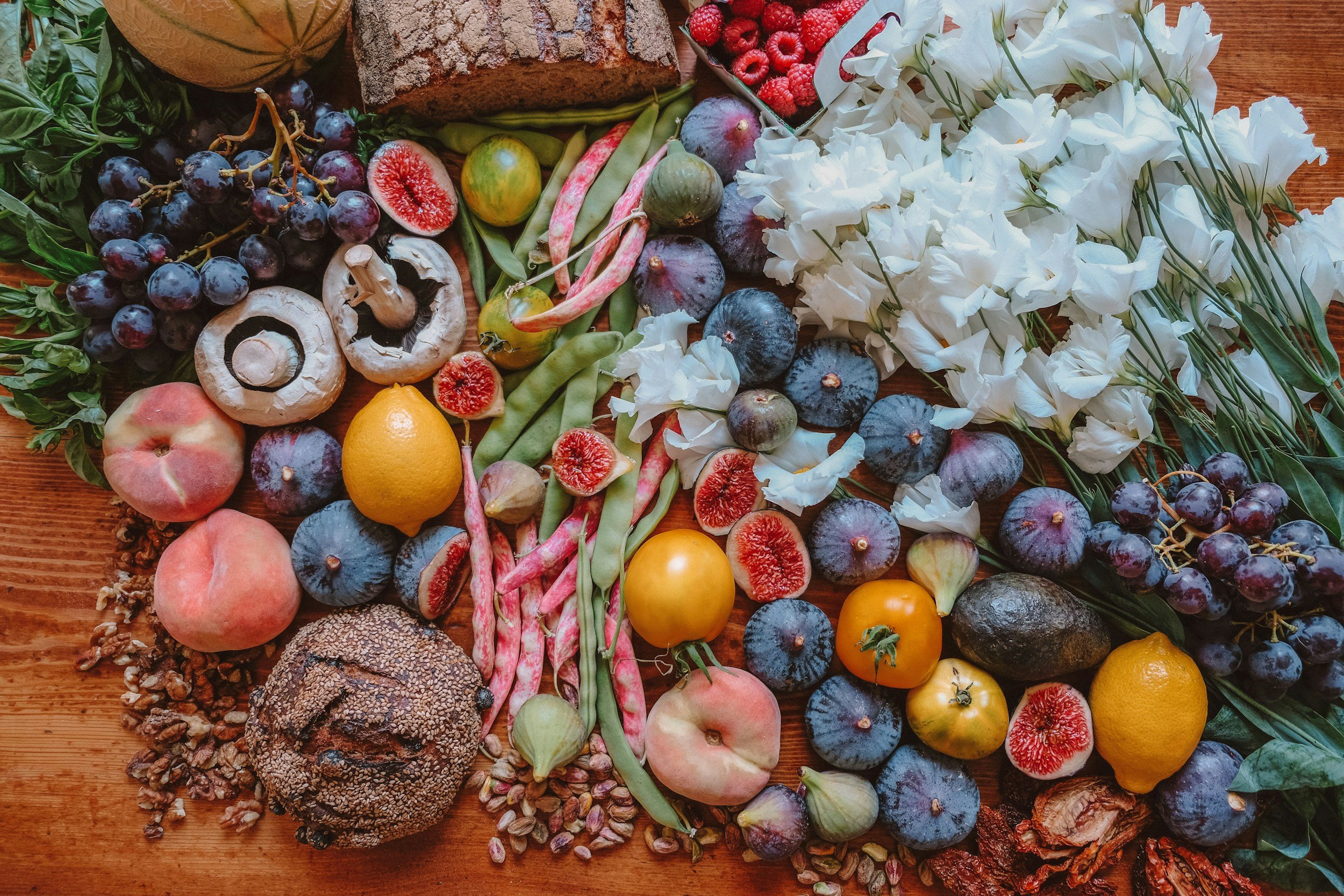
As someone who’s deeply passionate about gut health, I know firsthand how much our microbiome shapes our overall wellbeing. Building on the ideas from the article, Your Microbiome: The Hidden Key to Lifelong Health, this article is all about taking meaningful, everyday steps to support a resilient and thriving gut for the whole family.
From the foods we choose and the proteins we include, to getting outside, moving our bodies, and managing stress, these simple habits can make a real difference. My hope is to share practical strategies that help you nurture a balanced, diverse microbiome, laying the foundation for lifelong health for both you and your children.
Prioritise a Wide Variety of Fibre-Rich Foods
Consuming a diverse range of fruits, vegetables, whole grains, nuts, and seeds provides a variety of fibre that feeds different beneficial gut microbes, supporting a healthy and diverse microbiome.
Extra tips:
Aim for 30 or more different plant foods per week to maximise diversity.
Add prebiotic-rich foods like onions, garlic, leeks, asparagus, and Jerusalem artichokes.
Try swapping refined grains for ancient grains such as quinoa, millet, or buckwheat.
Add a handful of chickpeas, beans, or lentils to your meals—toss them on salads, blend them into dips, or mix them into dishes.
Sprinkle nuts or seeds (like flaxseed or hempseed) over oats, salads, or smoothies.
With fussy kids, you can also use prebiotic fibres like PHGG, which are tasteless and easy to hide in meals. Check out our Oat Muffin recipe for inspiration!
Choose Organic and/or Grass-Fed Meats and Eggs
Rotate proteins regularly to support gut health by promoting a diverse intake of amino acids and nutrients. A varied protein diet helps maintain a balanced gut microbiome, reduces the risk of food sensitivities, and supports the integrity of the intestinal lining. Incorporating various protein sources, such as fish, poultry, legumes, and plant-based options, can enhance digestive function and overall well-being. Buying organic can help reduce exposure to contaminants like added hormones, antibiotics, or pesticides.
Extra tips:
Include plant-based proteins (such as lentils, chickpeas, or hemp protein) a few times a week.
Include collagen-rich cuts (bone broth, slow-cooked meats) to support gut lining repair.
Include shellfish and organ meats occasionally in your diet to supplement it with trace minerals that are often lacking in modern diets.

Eat the Rainbow!
Adding in foods high in Polyphenols and Anthocyanins, will boost your microbiome!
Focus on Foods High in Polyphenols and Anthocyanins
Incorporate colourful fruits such as dark berries (blueberries, blackberries, raspberries), green tea, olive oil, as well as herbs and spices like turmeric, cinnamon, cloves, and oregano. These compounds have antioxidant properties that nourish beneficial gut bacteria.
Extra tips:
Add a handful of organic dark berries daily, fresh or frozen.
Drink Green and Herbal Teas, including Oolong, Yerba Mate, Rooibos, Peppermint and Lemon Balm tea
Rotate herbs/spices, don’t just stick with turmeric. Try sumac, ginger, thyme, and rosemary.
Drizzle extra virgin olive oil raw on meals to preserve polyphenols.
“Eat the Rainbow”, especially reds, purples, and blues, for maximum polyphenol and anthocyanin variety.
Fussy kids? Try adding a Reds Powder or Polyphenol powder to your cooking! Check out our Brownie recipe!
Include Prebiotic Formulas
Adding specific prebiotics can enhance microbiome health. Examples include partially hydrolysed guar gum (PHGG), 2'-Fucosyllactose (2-Fucosaccharides), larch Arabinogalactans, glucomannan and pectin. These prebiotics promote the growth of beneficial bacteria.
Extra tips:
Start low and increase slowly to avoid bloating.
Combine prebiotics with probiotics (synbiotics) for enhanced effects.
Mix into smoothies or warm water for easy daily use.
Increase Omega-3 Fatty Acid-Rich Foods
Omega-3s support anti-inflammatory pathways and have a positive influence on gut microbiota. Good sources include fatty fish (such as salmon, mackerel, and sardines), as well as flaxseeds, chia seeds, walnuts, and hemp seeds.
Extra tips:
Include 2–3 servings of fatty fish weekly.
Sprinkle ground flax or chia into breakfast bowls.
If plant-based, consider an algal oil supplement for DHA/EPA.
Integrate Fermented Foods Regularly, If Tolerated
Fermented products such as yogurt, kefir, sauerkraut, kimchi, and kombucha supply probiotics that help maintain a balanced gut microbial community.
Extra tips:
Start with small amounts to assess tolerance.
Rotate types to expose your gut to a broader spectrum of microbes.
Choose unpasteurised versions for maximum benefit.

Shop Farmer’s Markets!
Eating a variety of these fresh, locally grown fruits and vegetables helps feed a diverse community of gut bacteria
Shop at Farmers’ Markets
Choosing fresh, seasonal produce from farmers’ markets can have a surprisingly positive effect on your gut microbiome. These foods often carry a richer and more diverse microbial load than highly processed supermarket produce, exposing your gut to beneficial environmental microbes. Eating a variety of these fresh, locally grown fruits and vegetables helps feed a diverse community of gut bacteria, supporting overall microbial balance and resilience.
Extra tips:
Buy seasonal “ugly” veggies—they often have higher nutrient density.
Don’t over-wash—light soil exposure may boost microbial diversity.
Rotate produce variety by colour of the rainbow each week.
Use Antibiotics Only When Necessary
Antibiotics can disrupt the gut microbiome by killing both harmful and beneficial bacteria. They should be reserved strictly for situations where they are medically required.
Extra tips:
If prescribed, replenish with probiotics and prebiotics during and after use.
Ask your GP whether a narrow-spectrum antibiotic is appropriate.
Avoid taking them “just in case” for viral infections like colds/flu.
Minimise Intake of High-Sugar and Highly Processed Foods
These foods tend to encourage the proliferation of harmful bacteria and reduce overall microbial diversity, negatively impacting gut health.
Extra tips:
Replace sweet snacks with fruit and nuts.
Swap processed oils (such as canola and soy) for olive, avocado, or coconut oil.
Read labels—if it has 10+ ingredients you don’t recognise, skip it.
Use the App YUKA to scan barcodes. Minimise Intake of High-Sugar and Highly Processed Foods

Get out into nature!
Spending time outdoors exposes you to diverse microbes that strengthen your gut and immune system.
Connect with Nature to Nurture Your Microbiome
Spending time outdoors exposes you to diverse microbes that strengthen your gut and immune system. It has also been shown to improve your mental health!
Extra tips:
Get your hands in the soil with gardening or planting.
Take regular walks in parks, forests, or along the beach.
Plan camping trips or farm stays to immerse yourself in natural environments.
Let kids play freely outside — dirt and nature are healthy teachers!
Commit to Consistent Physical Activity
Regular exercise promotes a more diverse and resilient gut microbiota, contributing to overall health.
Extra tips:
Aim for 150 minutes or more of moderate activity per week.
Incorporate small 10-minute walks after meals to aid digestion.
Blend cardio with strength training and yoga for optimal benefits.
Develop Effective Stress Management Routines
Chronic stress impairs gut microbial health. Practices such as meditation, yoga, and ensuring restful sleep help support a balanced microbiome.
Extra tips:
Get plenty of sunlight.
Practice 10 minutes of deep breathing daily.
Build a consistent bedtime routine.
Explore journaling or nature walks to down-regulate stress hormones.
Hydration
Adequate water is essential not only for overall health but also for maintaining a healthy gut. Proper hydration helps keep the digestive system moving efficiently, supports nutrient absorption, and ensures that waste and toxins are effectively flushed from the body. Water also plays a role in maintaining the mucosal lining of the intestines, which provides a protective environment for beneficial gut bacteria to thrive.
Extra tips:
Aim for 2–3 litres per day, depending on your activity level.
Add electrolytes or a mineral-rich salt if you are sweating heavily.
Start the day with a glass of water before coffee.
Why Boosting Your Microbiome Matters: Key Takeaways
Your gut health is shaped by so much more than just food; it’s influenced by movement, nature, rest, and daily choices. By nourishing your body with a wide variety of plants, enjoying polyphenol-rich teas and colourful meals, moving regularly, and connecting with the outdoors, you’re creating the perfect environment for a resilient and diverse microbiome.
Remember, it’s the small, consistent steps that make the most significant difference. Whether it’s adding an extra handful of veggies, taking a walk in the park, or swapping your afternoon coffee for a herbal tea, each choice is a powerful investment in your long-term health and vitality.

Michelle Hislop,
TestWise Clinical Nutritionist
Book a consultation to explore targeted nutritional strategies, lifestyle changes, and professional support tailored to your needs.
Disclaimer:
The information in this article is for educational purposes only and is not intended as medical advice, diagnosis, or treatment. It should not replace consultation with a qualified healthcare professional who can assess your individual health needs. Always seek the guidance of your doctor or other qualified health provider before starting, changing, or discontinuing any medication, supplement, or treatment.